
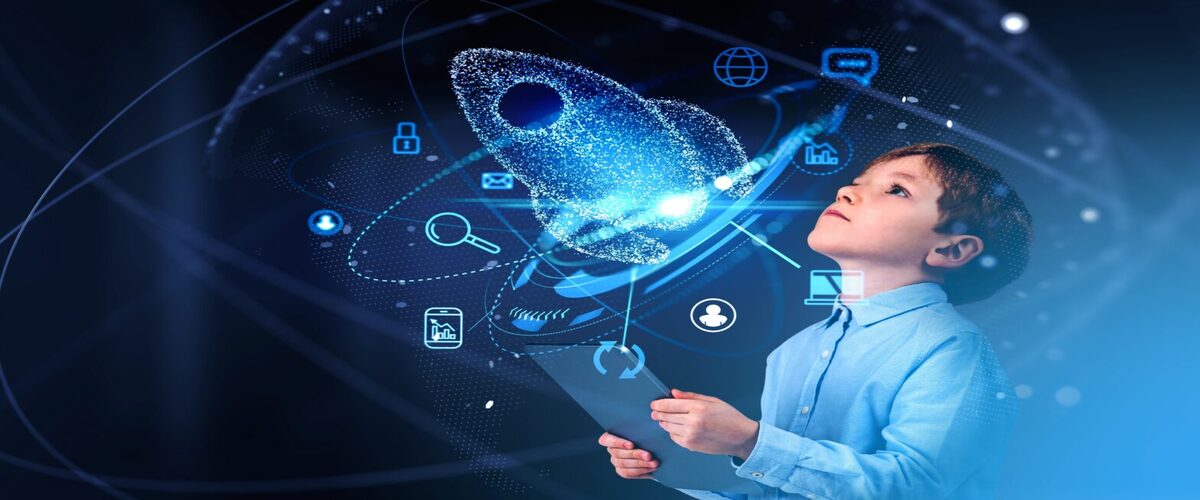
Artificial Intelligence (AI) is revolutionizing various industries, and education is no exception. Personalized learning, powered by AI, is transforming how students learn and how educators teach. By tailoring educational experiences to individual needs, AI is enhancing student engagement, improving outcomes, and preparing learners for a future where technology and creativity are paramount. In this post, we explore the role of AI in personalized learning and how it is reshaping the educational landscape.
 What is Personalized Learning?
Personalized learning is an educational approach that aims to customize learning experiences to fit each student’s unique needs, preferences, and abilities. Unlike traditional one-size-fits-all methods, personalized learning considers individual learning styles, paces, and interests. AI plays a crucial role in making this approach scalable and effective.
How AI is Transforming Personalized Learning
1. Adaptive Learning Systems
Adaptive learning systems use AI algorithms to analyze student performance in real-time and adjust the content and pace accordingly. These systems can identify areas where students struggle and provide additional resources or alternative explanations to help them grasp the concepts.
Example:
- DreamBox Learning: An adaptive math program that adjusts lessons based on student responses, ensuring that each learner receives the right level of challenge and support.
2. Intelligent Tutoring Systems
AI-powered intelligent tutoring systems provide one-on-one instruction tailored to the student’s needs. These systems can simulate the experience of having a personal tutor by offering instant feedback, answering questions, and guiding students through complex problems.
Example:
- Socratic by Google: Uses AI to help students with homework by providing explanations and step-by-step solutions to problems in various subjects.
3. Data-Driven Insights
AI can analyze vast amounts of data to provide educators with insights into student performance, learning patterns, and potential areas for improvement. This data-driven approach helps teachers make informed decisions about curriculum design and instructional strategies.
Example:
- Knewton: A platform that uses data analytics to create personalized learning paths and provide educators with actionable insights into student progress.
4. Personalized Learning Pathways
AI enables the creation of personalized learning pathways that guide students through the curriculum based on their strengths, weaknesses, and interests. These pathways can include a mix of multimedia content, interactive exercises, and assessments tailored to individual learning styles.
Example:
- Smart Sparrow: An adaptive learning platform that designs personalized learning experiences by incorporating interactive content and real-time feedback.
5. Enhancing Engagement
AI-powered personalized learning can enhance student engagement by making learning more relevant and enjoyable. By incorporating gamification, interactive simulations, and real-world applications, AI can make learning more engaging and motivate students to take an active role in their education.
Example:
- Kahoot!: An interactive learning platform that uses gamification to make education fun and engaging for students.
Benefits of AI in Personalized Learning
- Improved Learning Outcomes: Personalized learning helps students understand concepts better and retain information longer by catering to their unique learning needs.
- Greater Student Engagement: Tailored content and interactive elements keep students interested and motivated.
- Efficient Use of Resources: AI can help educators identify which resources are most effective for each student, making instruction more efficient.
- Early Intervention: AI can detect learning difficulties early and provide targeted interventions to help students overcome challenges before they fall behind.
Challenges and Considerations
While AI in personalized learning offers numerous benefits, it also presents challenges that need to be addressed:
- Data Privacy: Ensuring the privacy and security of student data is paramount.
- Equity: Ensuring all students have access to AI-powered personalized learning tools is crucial to avoid widening the digital divide.
- Teacher Training: Educators need to be trained to effectively integrate AI tools into their teaching practices.
Conclusion
AI is playing a pivotal role in transforming education through personalized learning. By tailoring educational experiences to individual needs, AI is helping to create more effective, engaging, and equitable learning environments. As technology continues to advance, the potential for AI to further enhance personalized learning is immense, promising a future where every student can reach their full potential.