

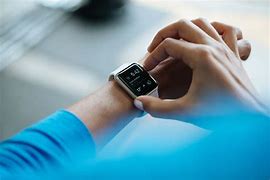
 1. Monitoring Physical Activity and Encouraging Movement
One of the primary uses of wearable tech, such as fitness trackers, is to monitor physical activity. In the classroom, wearables can help both students and teachers track how much movement students are getting throughout the day. With studies showing that regular physical activity can improve focus, reduce anxiety, and boost overall academic performance, wearables act as a gentle reminder to stay active.
Some schools have integrated activity goals into their daily routines, encouraging students to take breaks for physical movement, such as a quick stretch or walk. This helps improve blood flow to the brain, keeping students more engaged and alert during lessons.
Tip: Schools can implement short activity breaks based on real-time data from students’ wearable devices, creating a more dynamic and focused classroom environment.
2. Tracking Sleep Patterns to Improve Cognitive Performance
Wearable technology also helps students monitor their sleep patterns, which can have a significant impact on their ability to focus and learn. Many students, especially teenagers, struggle with getting enough sleep due to academic pressures, extracurricular activities, and screen time. Wearables like smartwatches and fitness bands can track sleep duration and quality, giving students insights into their sleep habits.
With this data, educators and parents can address sleep-related issues, such as encouraging better bedtime routines or adjusting school schedules to better align with students’ natural sleep cycles. Well-rested students are more likely to stay focused and perform better academically.
3. Reducing Stress and Promoting Mental Health
Another important application of wearable technology in schools is its ability to monitor stress levels. Some wearables are equipped with sensors that track heart rate variability, which can indicate stress and anxiety. By understanding when students are feeling overwhelmed, teachers can intervene early to provide support, whether through mindfulness exercises, relaxation techniques, or one-on-one check-ins.
Wearables can also be integrated into mental health programs, offering personalized suggestions to help students manage stress, such as breathing exercises or meditation breaks. These features can play a crucial role in improving mental health, which is closely linked to academic success and overall well-being.
4. Enhancing Focus with Real-Time Feedback
Many wearable devices are equipped with features that help students manage focus and attention. For example, some wearables provide gentle reminders to stay on task or offer notifications when a student’s heart rate increases, which can be a sign of distraction or lack of focus.
These real-time feedback systems can be particularly useful for students with attention disorders or those who struggle to stay focused for extended periods. By using data to recognize when students are losing focus, teachers can adapt their teaching strategies or offer personalized interventions, ensuring that every student stays engaged.
5. Supporting Personalized Learning and Student Engagement
Wearable tech is also paving the way for more personalized learning experiences. With access to data on student health and behavior, educators can tailor their instruction to better meet the needs of individual students. For example, a student who shows signs of increased stress or fatigue may benefit from a different learning approach, such as more hands-on activities or a quieter environment.
Additionally, wearables can make learning more interactive. For instance, some physical education programs use wearable tech to track performance metrics during sports or exercise, allowing students to set personal goals and monitor their progress over time. This not only enhances student engagement but also promotes self-motivation and accountability.
6. Encouraging Healthy Habits Beyond the Classroom
Wearable technology can have a positive impact on students beyond school hours. By encouraging healthy habits like regular exercise, proper sleep, and stress management, wearables foster a holistic approach to student well-being. Students can take ownership of their health, learning how to balance academics with self-care.
Schools can also use aggregated data from wearables to develop school-wide wellness initiatives, such as health challenges, yoga sessions, or mindfulness workshops, promoting a culture of wellness throughout the institution.
Conclusion
The integration of wearable technology in education offers exciting opportunities to improve both student health and academic performance. By providing real-time data on physical activity, sleep, stress, and focus, wearables empower students to take control of their well-being while helping educators create more personalized and effective learning environments. As wearable tech continues to evolve, its role in supporting student health and focus in the classroom will only grow, making it a valuable tool for modern education.