

The COVID-19 pandemic has accelerated the adoption of remote learning, transforming it from a niche option to a mainstream educational model. As we look to the future, remote learning continues to evolve, driven by technological advancements and innovative teaching methods. In this blog post, we explore the key trends and innovations shaping the future of remote learning and what they mean for students and educators alike.
 Key Trends in Remote Learning
1. Artificial Intelligence and Personalized Learning
Artificial Intelligence (AI) is playing a crucial role in personalizing remote learning experiences. AI algorithms can analyze student performance data to provide customized feedback, recommend resources, and adapt learning pathways to individual needs.
Example:
- AI Tutors: Platforms like Squirrel AI and Carnegie Learning use AI to offer personalized tutoring, helping students master subjects at their own pace.
2. Enhanced Virtual Classrooms
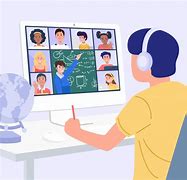
Virtual classroom technology is becoming more sophisticated, offering features that enhance interactivity and engagement. Advanced video conferencing tools, virtual whiteboards, and real-time collaboration platforms are making remote learning more dynamic.
Example:
- Zoom and Microsoft Teams: These platforms now include breakout rooms, polling, and collaborative whiteboards to facilitate active learning and group work.
3. Gamification and Interactive Learning
Gamification is increasingly being integrated into remote learning to boost engagement and motivation. Interactive games, quizzes, and simulations make learning fun and encourage active participation.
Example:
- Kahoot! and Quizizz: These platforms offer game-based learning experiences that make lessons more engaging and enjoyable for students.
4. Virtual and Augmented Reality
Virtual Reality (VR) and Augmented Reality (AR) are transforming remote learning by providing immersive, hands-on experiences. These technologies enable students to explore complex concepts and environments in a more interactive way.
Example:
- Google Expeditions: This platform allows students to take virtual field trips, exploring historical sites and natural wonders from their homes.
5. Microlearning and Modular Content
Microlearning involves breaking down complex topics into small, manageable chunks. This approach is particularly effective in remote learning, where attention spans can be shorter. Modular content allows students to learn at their own pace and revisit topics as needed.
Example:
- Duolingo: The language learning app uses microlearning principles to teach new languages through short, focused lessons.
Innovations in Remote Learning
1. Learning Analytics
Learning analytics involves collecting and analyzing data on student performance to improve teaching and learning outcomes. By identifying patterns and trends, educators can tailor their instruction to better meet student needs.
Example:
- Edmentum: This platform uses learning analytics to provide real-time insights into student progress, helping teachers identify areas where students need additional support.
2. Adaptive Learning Technologies
Adaptive learning technologies adjust the difficulty of tasks based on student performance, ensuring that each learner is challenged appropriately. This personalized approach helps students stay engaged and progress more effectively.
Example:
- Smart Sparrow: An adaptive learning platform that customizes lessons based on individual student performance.
3. Collaborative Learning Environments
Remote learning is increasingly focusing on collaboration, with tools and platforms designed to facilitate group work and peer-to-peer interaction. Collaborative learning environments help build communication skills and foster a sense of community among students.
Example:
- Miro: An online collaborative whiteboard platform that allows students to work together in real-time on projects and assignments.
4. Hybrid Learning Models
Hybrid learning models combine the best of in-person and remote education. This flexible approach allows students to benefit from face-to-face interactions while enjoying the convenience and accessibility of online learning.
Example:
- Blended Learning: Schools and universities are adopting blended learning models, where students attend some classes in person and others online.
5. Accessible and Inclusive Education
Innovations in remote learning are making education more accessible and inclusive. Tools and technologies are being developed to support students with diverse learning needs, ensuring that everyone has the opportunity to succeed.
Example:
- Read&Write: A literacy support tool that provides reading and writing assistance for students with learning disabilities.
Conclusion
The future of remote learning is bright, with trends and innovations that promise to enhance the educational experience for students and educators alike. From AI-powered personalization to immersive VR experiences, these advancements are making learning more engaging, effective, and accessible. As technology continues to evolve, remote learning will undoubtedly become an integral part of the educational landscape, offering new opportunities for learners everywhere.