
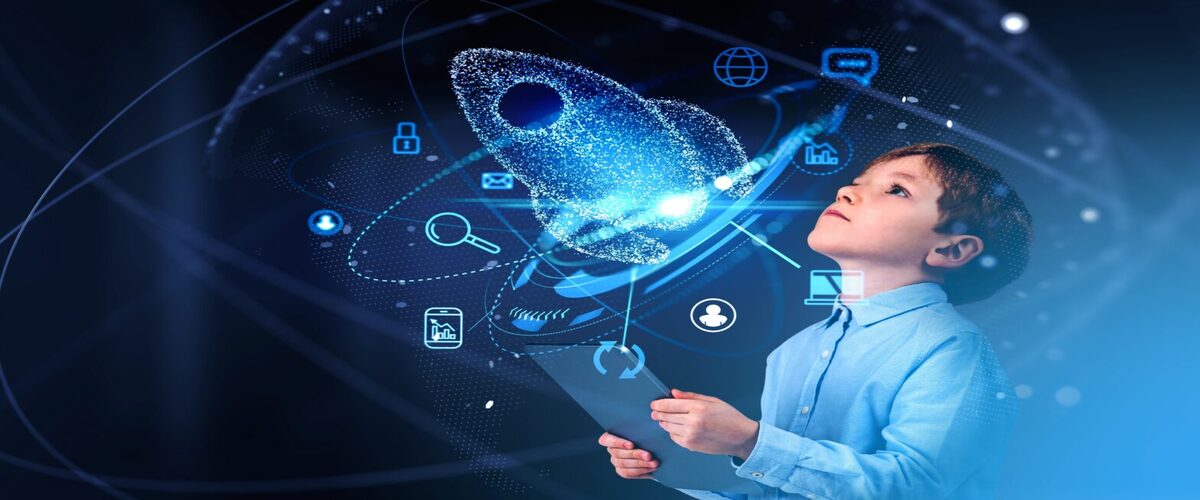

In today’s rapidly evolving technological landscape, digital literacy is essential for success. As technology continues to permeate every aspect of our lives, from the workplace to personal interactions, ensuring that students are equipped with digital literacy skills is more important than ever. This blog post explores the importance of digital literacy in education and how we can prepare students for a technology-driven world.
 1. Understanding Digital Literacy
What is Digital Literacy? Digital literacy encompasses a wide range of skills and knowledge necessary to effectively navigate, evaluate, and create information using digital technologies. It includes the ability to use digital tools and platforms, understand digital content, communicate effectively online, and maintain digital safety and ethics.
Why is Digital Literacy Important? Digital literacy is crucial for academic success, career readiness, and active citizenship. It empowers students to critically engage with digital content, make informed decisions, and participate fully in an increasingly digital society.
2. Key Components of Digital Literacy
Technical Skills: The foundational aspect of digital literacy involves the ability to use digital devices and software proficiently. This includes operating computers, tablets, and smartphones, as well as using applications for word processing, data analysis, presentations, and internet browsing.
Information Literacy: Information literacy is the ability to locate, evaluate, and use information effectively. In the digital age, students must navigate vast amounts of information online, discern credible sources, and avoid misinformation.
Digital Communication: Effective communication in the digital realm involves understanding how to use various platforms, such as email, social media, and collaborative tools, to communicate clearly and respectfully. It also includes knowing how to participate in digital communities and online discussions.
Digital Content Creation: Students should be able to create digital content, such as videos, blogs, presentations, and graphics. This not only fosters creativity but also helps students develop a deeper understanding of how digital media is produced and consumed.
Digital Citizenship: Digital citizenship encompasses the responsible use of technology. This includes understanding online etiquette, respecting intellectual property, protecting personal information, and recognizing the impact of one’s digital footprint.
Critical Thinking and Problem-Solving: Digital literacy requires the ability to think critically about digital content and solve problems using technology. This involves analyzing information, making decisions based on data, and troubleshooting technical issues.
3. Incorporating Digital Literacy into Education
Integrating Technology in the Classroom: To build digital literacy, educators should integrate technology into everyday learning. This can involve using digital tools for research projects, collaborative assignments, and interactive lessons that enhance traditional teaching methods.
Project-Based Learning: Project-based learning (PBL) is an effective way to teach digital literacy. By working on projects that require the use of digital tools and resources, students gain hands-on experience and practical skills. PBL encourages critical thinking, collaboration, and creativity.
Professional Development for Educators: Teachers need ongoing professional development to stay current with digital tools and teaching strategies. Training programs should focus on integrating technology into the curriculum, using digital resources effectively, and teaching digital literacy skills.
Digital Literacy Curriculum: Schools should implement a dedicated digital literacy curriculum that covers essential skills and knowledge. This curriculum can be integrated across subjects and grade levels to ensure comprehensive digital literacy education.
Promoting Safe and Ethical Use: Educators must teach students about digital ethics and safety. This includes lessons on cyberbullying, data privacy, intellectual property, and the ethical use of digital resources. Promoting a positive digital culture is essential for responsible digital citizenship.
4. Challenges and Solutions
Access to Technology: One of the biggest challenges in promoting digital literacy is ensuring equitable access to technology. Schools and communities must work to provide devices and internet access to all students, particularly those from disadvantaged backgrounds.
Keeping Up with Technological Changes: The rapid pace of technological advancement can make it difficult for educators to stay current. Continuous professional development and a flexible, adaptive approach to curriculum design can help address this challenge.
Balancing Screen Time: While digital literacy is important, excessive screen time can have negative effects on students’ health and well-being. Educators should promote a balanced approach, integrating digital and non-digital activities in the classroom.
Addressing Misinformation: Teaching students to recognize and combat misinformation is crucial. Educators should incorporate media literacy into their teaching, helping students develop the skills to critically evaluate online content and sources.
5. The Future of Digital Literacy
Lifelong Learning: Digital literacy is not a one-time acquisition but a lifelong learning process. As technology evolves, so too must our skills and knowledge. Encouraging a mindset of continuous learning and adaptability is key to long-term success in a technology-driven world.
Global Competence: Digital literacy also includes understanding and participating in a global digital society. Students should be aware of cultural differences in digital communication and use technology to collaborate and connect with peers worldwide.
Innovative Technologies: Emerging technologies such as artificial intelligence, virtual reality, and blockchain will further transform how we interact with digital content. Preparing students to engage with these technologies requires forward-thinking education strategies that emphasize innovation and adaptability.
Conclusion
Digital literacy is a critical skill set for the 21st century, essential for academic achievement, career readiness, and informed citizenship. By integrating digital literacy into education, we can prepare students to navigate and thrive in a technology-driven world. Through thoughtful implementation of technology in the classroom, dedicated digital literacy curricula, and ongoing professional development for educators, we can ensure that students are equipped with the skills and knowledge they need to succeed in the digital age. Embracing digital literacy is not just about keeping up with technology—it’s about empowering students to shape the future.